SEO for nutritionist 2026 is one of the most competitive yet most rewarding marketing channels in the wellness industry, and automated tools have finally made it accessible to solo practitioners and small nutrition businesses. Patients and clients searching for help with weight loss, eating disorders, sports nutrition, diabetes management, gut health, or specialized diets like keto and plant-based eating are using Google and Bing to find registered dietitians and certified nutritionists who can guide them. The volume of nutrition-related searches is staggering — and growing every year as health-conscious consumers become more sophisticated in their search for expert guidance. For a small nutrition practice, the ability to publish weekly content about every topic your clients care about — without hiring a health writer — is the difference between a steady stream of organic inquiries and total dependence on word of mouth. At $49 per month, automated SEO delivers exactly that. Here are the eight tactics that matter most for nutritionists in 2026.

1. Generate Condition-Specific Nutrition Service Pages
Nutritionists who serve specific health conditions have enormous SEO advantages because the searches are highly specific and strongly motivated. "Nutritionist for diabetes management," "dietitian for PCOS," "nutrition support for IBS," "eating disorder nutrition counseling," "nutritionist for kidney disease" — these queries are made by people with a pressing health need who are ready to invest in professional support. Automated SEO platforms generate dedicated service pages for every condition you work with, each optimized for its specific keyword cluster and structured with information about how your nutritional approach addresses that condition. These pages rank for the targeted queries and attract clients who are already convinced they need professional nutrition support — the highest-conversion segment of your potential client pool. For a nutritionist offering support for eight to ten conditions, this creates eight to ten independent ranking opportunities that work continuously to drive consultation bookings without ongoing marketing effort from your practice.
2. Publish Weekly Nutrition Education Articles Without a Writer
Nutrition is one of the highest-search-volume topic areas on the internet, and the appetite for credible, evidence-based information is insatiable. "What foods lower inflammation?" "How much protein do I need per day?" "Is intermittent fasting safe for women?" "What does a healthy gut microbiome eat?" — these articles attract enormous traffic, and the nutritionists whose websites consistently publish them build the topical authority that Google rewards with top rankings for commercial queries as well. Automated SEO tools generate these educational articles weekly, based on analysis of the highest-volume, lowest-competition nutrition keywords relevant to your specialty. Each article is 1,000 to 2,000 words, optimized for its target keyword, internally linked to your service pages, and published on a consistent schedule. Over 12 months, this creates a library of 50 or more articles that each generate independent traffic — a content moat that no competitor without similar automation can quickly replicate.
3. Target Diet-Plan and Meal-Planning Searches
Diet plan and meal planning searches represent a commercially rich keyword category for nutritionists. "7-day meal plan for weight loss," "plant-based meal plan for beginners," "Mediterranean diet sample menu," "keto meal plan for diabetics" — these searches combine high volume with clear commercial intent: the person searching is either looking to buy a plan or hire a nutritionist to create one. Automated SEO platforms generate optimized content around these queries — not necessarily publishing the meal plans themselves, but creating informational pages about the approach, its benefits, who it is appropriate for, and how working with a nutritionist to customize it produces better results than following a generic version. These pages attract the research-phase visitor and funnel them toward a discovery call or consultation booking through strategically placed calls to action. For a nutritionist whose primary service is personalized meal planning, this content category alone can justify the entire SEO investment.
4. Build a Sports Nutrition Content Hub for Athletic Clients
Sports nutrition is one of the fastest-growing nutrition subspecialties, with athletes of all levels increasingly seeking professional guidance on fueling for performance, recovery, and body composition. "Sports nutritionist for runners," "nutrition for muscle gain," "pre-competition nutrition plan," "hydration strategy for endurance athletes" — these searches are made by highly motivated clients who are willing to invest seriously in their performance support. Automated SEO tools generate a sports nutrition content cluster — a hub page covering your sports nutrition services, surrounded by supporting articles on specific sports, performance goals, and athletic populations. This hub-and-spoke content architecture is particularly effective for topical authority building because it signals to Google that your site is a deep resource on a specific topic rather than a surface-level generalist site. For nutritionists who work with athletes, this content system can become their single highest-value organic traffic source within six to twelve months of consistent publishing.
5. Optimize for Virtual Nutrition Counseling Searches
Virtual nutrition counseling has grown from a niche service to a mainstream expectation among nutrition clients, and the search volume for online and telehealth nutrition services has expanded accordingly. "Online nutritionist," "virtual nutrition counseling," "dietitian telehealth appointment," "nutrition coaching via video" — these searches represent a client segment that is not location-constrained, effectively expanding your potential market from a 20-mile radius to an entire country or even internationally. Automated SEO platforms generate a dedicated virtual services section for your website, covering how sessions work, what technology is used, how to prepare, and what outcomes clients achieve. This content targets virtual service keywords that are distinct from your local in-person queries, creating a parallel traffic stream. For nutritionists willing to serve clients across their licensed jurisdiction (or beyond for coaching services that do not require licensure), this content expansion can double or triple the addressable client pool that organic search reaches.
6. Create Comparison and Alternative Diet Content That Converts
Comparison and alternatives searches are a goldmine for nutritionists because they attract clients in the final stages of decision-making. "Keto vs. Mediterranean diet," "intermittent fasting vs. calorie counting," "nutritionist vs. dietitian: which do I need?", "is a vegan diet healthy for weight loss?" — these searches are made by informed consumers who are choosing between options and need authoritative guidance to decide. Automated SEO tools generate comparison content that positions you as the knowledgeable, neutral authority who helps readers make the best decision for their health situation. Crucially, these articles always conclude with the recommendation to work with a qualified nutritionist for personalized guidance — creating a natural conversion pathway from informational content to consultation booking. Comparison pages typically have lower competition than primary diet-plan queries, making them easier to rank for while still attracting a commercially valuable readership.
7. Automate Local and "Near Me" Content for In-Person Practices
For nutritionists with in-person practices, local SEO signals remain essential for appearing in the Google Maps local pack — the three-business cluster that appears above organic results for local service searches. Automated SEO platforms generate locally optimized content: neighborhood-specific service pages, community health blog posts, and GBP post updates that maintain the freshness signals Google uses to rank local businesses. Consistent NAP (Name, Address, Phone) data across all indexed references is verified and maintained automatically. For nutritionists in markets with multiple local competitors, being the most locally active and content-rich provider — in Google's assessment — is often the deciding factor in local pack placement. Local pack visibility can generate as many consultation bookings as a top organic ranking, because local pack results appear above the fold on mobile devices where most health searches now originate.
8. Track All Rankings and Refresh Declining Content Automatically
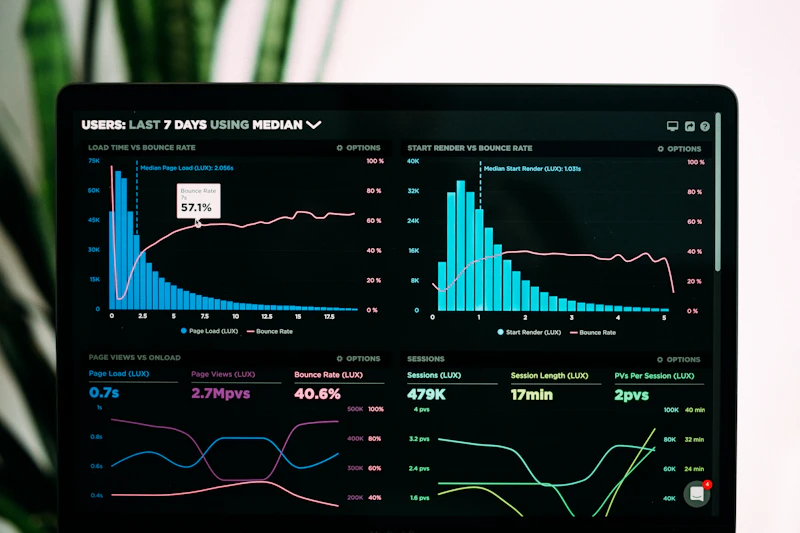
Nutrition is one of the highest-competition content categories on the internet, with massive publishers like Healthline, WebMD, and Verywell Health dominating many primary keywords. Automated SEO rank tracking identifies the specific keyword positions where your nutrition practice website is competitive and those where larger sites are difficult to displace. This intelligence allows the platform to redirect content publishing effort toward attainable rankings — the specific, long-tail, and professional-authority queries where an individual nutrition practice can realistically claim page-one visibility. When content that was ranking begins to decline, the platform automatically generates a refreshed version with updated statistics, revised keyword targeting, and additional depth that matches the current competitive bar. This adaptive content maintenance ensures your SEO investment compounds over time rather than eroding as the competitive landscape evolves around stagnant pages.
Frequently Asked Questions
How do I know which nutrition keywords to target in 2026?
Automated SEO platforms generate a full keyword strategy for your nutrition practice based on your specialty, target client populations, and current competitive landscape. The platform identifies keywords with sufficient search volume to be worth targeting and realistic enough competition that a small practice site can rank on page one — typically long-tail, condition-specific, or population-specific queries rather than generic terms like "nutrition advice."
Can a nutritionist rank above large health information sites like Healthline?
For generic nutrition information queries, ranking above Healthline is extremely difficult. However, for local, condition-specific, professional-service, and population-specific queries, individual practitioners consistently outrank large information sites because their content is more specifically relevant to the searcher's intent. Automated SEO focuses your strategy on these winnable keyword categories.
Is automated SEO content accurate for nutrition, which involves medical claims?
Yes — automated SEO platforms use nutrition and dietetics knowledge bases that focus on evidence-based, consensus-supported content appropriate for educational publishing. The platform avoids medical claims that require clinical qualification and focuses on informational, service-description, and patient education content that is both SEO-effective and professionally appropriate for a nutrition practice website.
How quickly does SEO generate new nutrition clients?
Most nutrition practices see measurable increases in website inquiries within 60 to 120 days of launching an automated SEO campaign, with compounding growth continuing as more content is indexed and ranked. Practices in markets with lower competition may see results faster; those in highly competitive urban markets or those starting with a very new domain may take 4 to 6 months to see significant inquiry volume from organic search.
Should a nutritionist blog in addition to using automated SEO?
Automated SEO already includes regular blog-format content publishing as part of its service — you do not need to manually blog in addition to using the platform. If you choose to write personal articles sharing your unique perspective or client case studies (anonymized), those can be added alongside the automated content to further strengthen your topical authority and brand voice. The automation handles the volume; your personal voice adds the differentiation.
Conclusion
Nutritionists who embrace automated SEO in 2026 gain a sustainable competitive advantage over those relying on referrals and social media alone. The eight tactics in this guide — from condition-specific service pages and weekly education articles to virtual counseling optimization and adaptive rank tracking — create a compounding organic growth engine that delivers new client inquiries month after month without writer fees, agency costs, or manual marketing effort. Start your 14-day free trial today and see your first automated content go live within 24 hours.